UPI New Rules 2026 Explained: Latest NPCI Changes, Limits & Payment Updates
UPI New Rules 2026 Explained
India’s digital payment ecosystem continues to evolve, and UPI New Rules 2026 Explained has become one of the most searched topics among smartphone users, online shoppers, business owners, and banking customers. Every year, the National Payments Corporation of India (NPCI) introduces improvements to make UPI payments faster, safer, and more reliable.
Understanding the UPI New Rules 2026 Explained guide helps users avoid failed transactions, protect themselves from fraud, and make the most of the latest payment features.Whether you use Google Pay, PhonePe, Paytm, BHIM UPI, Amazon Pay, CRED, WhatsApp Pay, or any other UPI-enabled application, these updates may affect the way you send money, receive payments, verify recipients, and manage daily transactions.
The UPI New Rules 2026 Explained article covers the latest official NPCI changes, important payment guidelines, transaction limits, security improvements, and practical tips for everyday users.UPI has transformed India’s financial landscape by enabling instant bank-to-bank transfers 24 hours a day without requiring account numbers. Instead, users simply need a registered UPI ID or QR code to complete secure digital payments.
What is UPI?
Unified Payments Interface (UPI) is India’s real-time digital payment system developed by the National Payments Corporation of India (NPCI). It enables instant money transfers between bank accounts using a mobile device without requiring bank account details for every transaction.
Today, UPI supports:
- Instant bank-to-bank transfers
- Merchant QR code payments
- Online shopping payments
- Utility bill payments
- Mobile recharge
- Investment payments
- Subscription payments
- Peer-to-peer transfers
- AutoPay mandates
- Business collections
Because UPI is widely accepted across India, NPCI regularly updates its operational guidelines to improve payment security, transaction reliability, and user experience. The UPI New Rules 2026 Explained guide focuses on these official updates and what they mean for everyday users.
Table of Contents
Latest NPCI Changes in UPI 2026
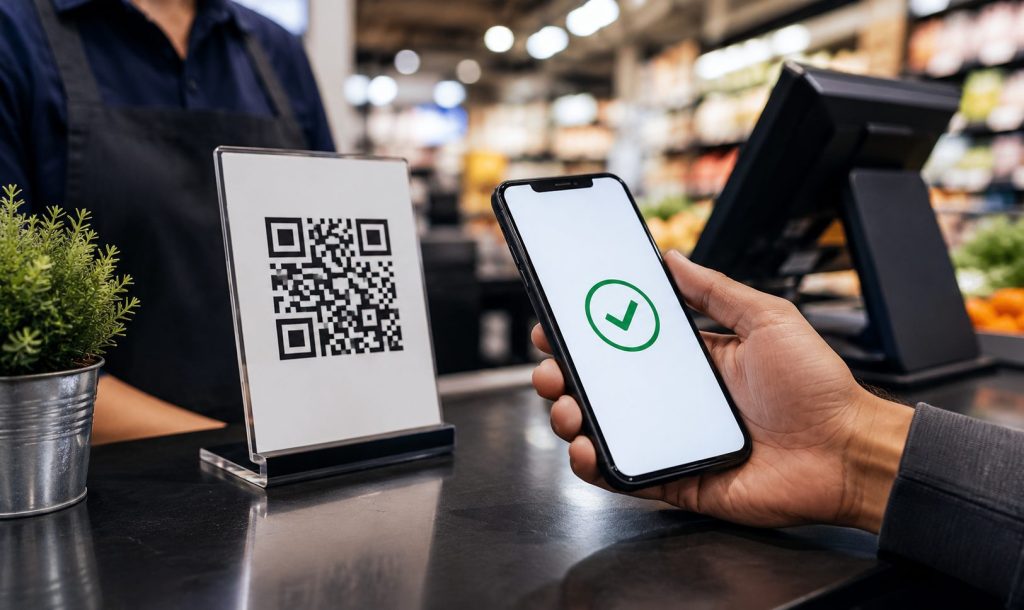
The UPI New Rules 2026 Explained guide is primarily focused on improving security, reducing fraud, increasing transparency, and making digital payments more reliable. According to recent NPCI guidance, one of the most important user-facing changes is that UPI apps should display the official bank-registered account holder’s name before a payment is confirmed, helping users verify that they are sending money to the intended recipient. This aims to reduce accidental transfers and impersonation scams.
Another area of focus is improving system stability and payment reliability. NPCI continues to refine operational rules, API management, and transaction processing so that payment apps can handle growing transaction volumes while reducing failures during peak usage.UPI New Rules 2026 Explained New proposals such as faster checkout experiences are also being discussed, though some are still under industry consultation rather than being universally implemented.
Major Changes Every UPI User Should Know
1. Recipient Name Verification
Before completing a payment, UPI applications increasingly show the beneficiary’s official bank-registered name instead of allowing apps to display only custom names. This gives users greater confidence that they are paying the correct person or merchant and helps reduce fraud caused by misleading display names.
2. Better Fraud Protection
Banks and payment service providers continue to strengthen fraud detection using risk monitoring, suspicious transaction checks, and enhanced verification for unusual activity. Users should still verify recipient details carefully and never share their UPI PIN.
3. Improved Transaction Success Rate
NPCI regularly updates technical standards to improve payment processing and reduce transaction failures, especially during periods of heavy usage. UPI New Rules 2026 Explained Operational improvements are intended to make the UPI network more stable as transaction volumes continue to grow.
4. Merchant Payment Improvements
Businesses accepting UPI payments benefit from ongoing improvements to QR payments, settlement processes, and merchant payment experiences. Some new checkout concepts are under discussion, but they are not yet universal rules across all apps.
UPI Transaction Limits in 2026
For most person-to-person (P2P) transactions, many banks continue to apply a limit of up to ₹100,000 per day, although the exact limit depends on your bank, the type of transaction, and applicable NPCI guidelines.UPI New Rules 2026 Explained Certain categories, such as specific merchant or institutional payments, may have different limits. Always check your bank’s latest policy before making high-value transactions.
How These Rules Affect Google Pay, PhonePe, Paytm and BHIM Users
The latest UPI operational changes apply across the UPI ecosystem rather than to a single app. Whether you use Google Pay, PhonePe, Paytm, BHIM, Amazon Pay, or another UPI application, the underlying NPCI rules are implemented through participating banks and payment providers. While the user interface may differ between apps, core security requirements and payment standards remain consistent.
UPI Security Tips Every User Should Follow in 2026
While the UPI New Rules 2026 Explained guide highlights the latest NPCI updates, users also play an important role in keeping their money safe. Even with stronger security measures, most UPI frauds happen because scammers trick people into sharing sensitive information or approving fraudulent payment requests.
Follow these essential safety practices whenever you use Google Pay, PhonePe, Paytm, BHIM UPI, or any other UPI-enabled application:
- Never share your UPI PIN with anyone. Banks and payment apps will never ask for it.
- Verify the recipient’s bank-registered name before confirming a payment.
- Double-check the UPI ID or QR code before sending money.
- Do not approve unknown Collect Requests or payment requests from strangers.
- Download UPI apps only from official app stores.
- Keep your banking and payment apps updated to the latest version.
- Enable screen lock, fingerprint, or face unlock on your phone.
- Turn on SMS and app notifications to monitor every transaction.
- Regularly review your transaction history for any unauthorized activity.
Following these simple practices can significantly reduce the risk of fraud and help ensure secure digital payments.
Common UPI Scams to Avoid
As UPI usage continues to grow, cybercriminals are also developing new fraud techniques. Understanding these scams is just as important as knowing the latest UPI New Rules 2026 Explained updates.
Fake Payment Screenshot
A scammer may show an edited screenshot claiming that money has already been transferred. Always check your bank account or UPI app before handing over goods or confirming a service.
QR Code Fraud
Remember that scanning a QR code is generally used to make a payment, not to receive money. If someone asks you to scan a QR code to “receive” funds, treat it with caution.
Fake Customer Care
Fraudsters often impersonate customer support and ask for your UPI PIN, OTP, or remote access to your device. Genuine banks and payment providers do not ask for these details.
Collect Request Scam
A fraudster sends a payment request instead of transferring money. If you approve it and enter your UPI PIN, you may end up sending money instead of receiving it.
Phishing Links
Avoid clicking on suspicious links received through SMS, email, or messaging apps. Always access your bank or UPI app directly rather than through unknown links.
1. What are the UPI New Rules 2026?
The UPI New Rules 2026 Explained article covers recent operational and security-related updates introduced by NPCI to improve payment safety, transparency, and system reliability. Check official NPCI circulars for the latest changes before relying on any specific rule.
2. Do the new UPI rules apply to Google Pay, PhonePe and Paytm?
Yes. Since these applications operate on the NPCI UPI network, official UPI operational changes generally apply across supported apps, although individual app features may vary.
3. Has the UPI transaction limit changed?
Transaction limits depend on NPCI guidelines, your bank, and the type of transaction. Some categories have different limits, so verify the latest limits with your bank before making high-value transfers.
4. Is UPI safe in 2026?
Yes. UPI remains one of India’s most secure payment systems when users follow safe practices such as protecting their UPI PIN, verifying recipient details, and avoiding suspicious payment requests.
5. Can I use UPI 24×7?
Yes. UPI is designed to support instant payments around the clock, although occasional maintenance windows or temporary bank-side issues may affect availability.
6. What should I do if a UPI transaction fails?
First, wait a few minutes and check your transaction status in the app. If the amount is debited but not credited successfully, contact your bank or payment service provider through official support channels.
Conclusion
Understanding the UPI New Rules 2026 Explained topic helps users stay informed about the latest improvements in India’s digital payment ecosystem. As NPCI continues to enhance security, improve payment reliability, and introduce new operational standards, users should also adopt safe payment habits such as verifying recipient details, protecting their UPI PIN, and staying alert to scams.
UPI New Rules 2026 Explained By keeping your payment apps updated and following official NPCI and bank guidance, you can enjoy fast, convenient, and secure UPI transactions for everyday payments.
Read More :https://www.malayalamin.com/proxyearth-org-review/