Digital India at 11: Incredible Success, New Services & Future Vision (2026)
Digital India at 11: Incredible Success :
India’s digital transformation has accelerated at an unprecedented pace over the last decade, reshaping how citizens access government services, make payments, store documents, and interact with public institutions. As Digital India at 11 marks another important milestone in 2026, the initiative stands as one of the country’s most successful governance and technology programmes.
Digital India at 11 Launched in July 2015, Digital India aimed to bridge the digital divide by expanding internet connectivity, improving digital infrastructure, and making government services available online. Today, millions of people rely on platforms such as UPI, DigiLocker, UMANG, Aadhaar-enabled services, and many other digital initiatives in their daily lives.
This article explores the journey of Digital India at 11, highlighting its biggest achievements, newly introduced services, citizen benefits, and the future vision driving India’s digital economy.
What Is the Digital India Mission?
Digital India is the Government of India’s flagship programme designed to transform the country into a digitally empowered society and knowledge-based economy.
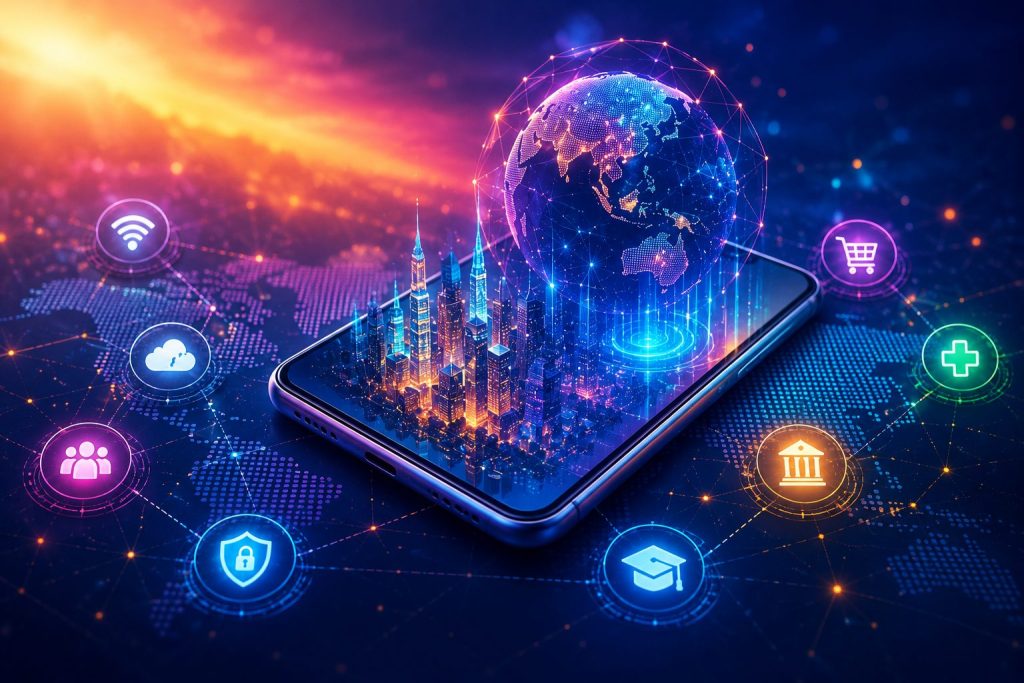
The initiative focuses on three major objectives:
- Building robust digital infrastructure across the country
- Delivering government services electronically
- Promoting digital literacy among citizens
Digital India at 11 Rather than digitizing individual departments, Digital India created an integrated ecosystem where various ministries, public institutions, and digital platforms work together to provide faster, more transparent, and citizen-friendly services.
Today, services Digital India at 11 that once required lengthy paperwork and multiple office visits can often be completed online within minutes.
Table of Contents
Digital India at 11: A Remarkable Journey
Since its launch in 2015, Digital India has grown from a visionary programme into one of the world’s largest digital public infrastructure initiatives.
Over the past eleven years, the programme has expanded broadband connectivity,Digital India at 11 encouraged digital payments, improved cybersecurity, strengthened online education, supported telemedicine, and simplified government procedures.
One of the biggest reasons behind its success is its focus on inclusion. Digital India at 11 has enabled citizens in urban as well as rural areas to access digital services using smartphones, affordable internet connections, and common service centres.
The initiative has also encouraged innovation by enabling startups, businesses, financial institutions, and developers to build solutions on India’s digital public infrastructure.
Biggest Achievements Over the Past 11 Years
Digital Payments Revolution
The introduction of Unified Payments Interface (UPI) completely changed the country’s payment ecosystem.
Today, individuals and businesses can instantly transfer money using smartphones without requiring cash or traditional banking methods.
Digital payments have become an essential part of daily life for millions of Indians.
Secure Digital Documents
DigiLocker allows users to safely store and share official documents online.
Digital India at 11 Educational certificates, driving licences, vehicle registrations, Aadhaar documents, and many other certificates can now be accessed digitally whenever required.
This has significantly reduced paperwork while improving convenience.
Government Services Anytime
Through the UMANG platform, citizens can access hundreds of central and state government services from a single mobile application.
These include pension services, utility payments, health services, tax-related services, and many others.
Digital Identity Through Aadhaar
Aadhaar continues to play a crucial role in simplifying identity verification for numerous public and private services.
It enables faster verification and Digital India at 11 while reducing documentation requirements for various government schemes.
Internet Connectivity Expansion
Expansion of broadband infrastructure and BharatNet has helped improve internet access in many villages across India.
Better connectivity has supported online education, digital healthcare, e-commerce, banking, and remote employment opportunities.
New Digital India Services in 2026
As Digital India at 11 enters its next phase, the Government of India continues introducing smarter digital services that make governance faster, more transparent, and citizen-friendly. The focus is no longer limited to digitising documents but also on creating an intelligent digital ecosystem powered by Artificial Intelligence (AI), cloud computing, secure digital identity, and integrated public platforms.
Several government departments are expanding paperless services, online verification systems, and digital payment options. Digital India at 11 Citizens can now access many services without visiting government offices, reducing waiting time and improving convenience. Digital platforms are also becoming more user-friendly, ensuring that people from both urban and rural areas can benefit equally.
How Digital India Benefits Every Citizen
The success of Digital India at 11 can be measured by the positive changes it has brought to everyday life. Millions of Indians now rely on digital platforms for education, healthcare, banking, communication, and government services.
Faster Government Services
Many public services that once required multiple office visits are now available online. Applications, certificates, tax payments, Digital India at 11 and welfare scheme registrations can often be completed within minutes.
Cashless Payments
UPI has transformed the payment ecosystem by allowing instant transactions using smartphones.Digital India at 11 Small businesses, street vendors, and large enterprises now accept digital payments, making financial transactions safer and more convenient.
Better Access to Education
Students can benefit from online learning platforms, digital classrooms, scholarships, and educational resources made available through various government initiatives.
Improved Healthcare
Digital health initiatives enable citizens to book appointments, access medical records, and use telemedicine services, making healthcare more accessible across the country.
Secure Digital Documents
Citizens no longer need to carry physical copies of important certificates. Digital storage platforms provide secure access to official documents whenever needed.
The Future Vision of Digital India
The next phase of Digital India focuses on building a smarter and more inclusive digital ecosystem. Digital India at 11 Emerging technologies such as Artificial Intelligence, machine learning, cloud computing, blockchain, and advanced cybersecurity are expected to play a major role in future governance.
The government’s vision includes expanding digital literacy, strengthening cybersecurity, improving digital public infrastructure, and making government services even more efficient. Digital India at 11 Greater integration between different digital platforms will allow citizens to access multiple services through a single digital identity, making governance simpler and more seamless.
As technology continues to evolve, Digital India is expected to support innovation, entrepreneurship, financial inclusion, and sustainable economic growth while ensuring that digital services remain accessible to every citizen.
Conclusion
As Digital India at 11 celebrates another milestone in 2026, the programme continues to redefine how India delivers public services, promotes innovation, and empowers its citizens. What started as a mission to improve digital access has grown into a comprehensive ecosystem supporting secure payments, Digital India at 11 digital identity, online governance, education, healthcare, and business services. Millions of people now benefit from faster, paperless, and more transparent government processes that save both time and effort.
Looking ahead, the future of Digital India at 11 is centered on smarter technologies, stronger cybersecurity, wider digital inclusion, and improved public infrastructure. With continued investment in Artificial Intelligence, digital public platforms, broadband connectivity, and citizen-centric services, India is well-positioned to strengthen its global leadership in digital transformation.
Read More : https://www.malayalamin.com/latest-indian-air-force-mts-recruitment-2026/